Skip the Sponsor Check: How Parkour Athletes Are Printing Money on TikTok

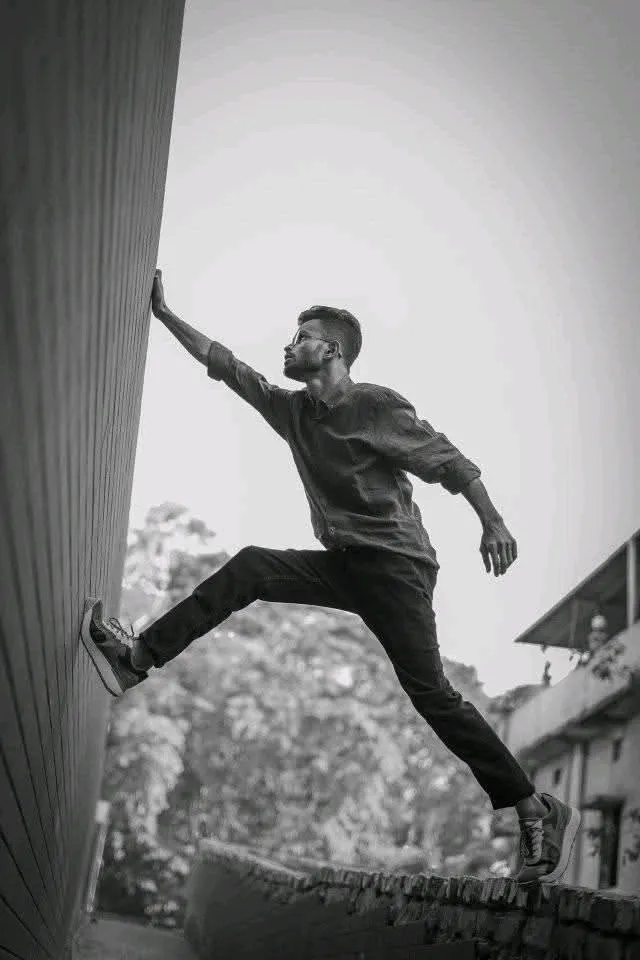
Photo by Photo by Zoshua Colah on Unsplash on Unsplash
For decades, getting paid to do parkour meant one thing: land a deal with a shoe brand, survive a Red Bull photo shoot, or hustle your way onto a stunt crew. The path was narrow, the gatekeepers were real, and most athletes who could genuinely fly through urban environments never saw a dime for it.
That playbook is getting shredded.
A wave of parkour and freerunning creators is building multi-million dollar personal brands without a single traditional sponsor in the mix. They're doing it through TikTok, YouTube Shorts, and Instagram Reels—platforms where a well-timed slow-mo flip can rack up 20 million views overnight and convert directly into merch sales, online coaching programs, and brand deals that the athlete negotiates on their own terms.
This is the creator economy hitting its stride in action sports, and it's moving fast.
The Algorithm Loves Defying Gravity
Before we get into the money, let's talk about why parkour content performs so well in the first place. Short-form video platforms are wired to prioritize content that triggers immediate emotional responses—surprise, awe, anxiety. Parkour delivers all three in the first two seconds of a clip.
When someone vaults a six-foot gap between rooftops, the human brain doesn't care whether you're watching it in Columbus or Los Angeles. It reacts. That reaction drives replays, shares, and saves—the metrics TikTok's algorithm actually cares about. Dynamic movement content naturally hits those signals harder than talking-head videos or static sports highlights.
Creators in the parkour space figured this out early, and some of them have built audiences that dwarf those of traditionally sponsored action sports athletes.
Four Creators Who Rewrote the Rules
Marcus Vail, 24 — Chicago Vail started posting rooftop runs in 2021 as a way to document his own training. Within 18 months, he had 2.1 million TikTok followers and was pulling in over $180,000 a year—mostly through a tiered online coaching program he built himself. No sponsor ever knocked on his door first. He went to brands, showed them his engagement rate, and negotiated licensing deals for his content. "I own everything," he told us. "That's the part traditional athletes never get to say."
Dani Reyes, 27 — Phoenix Reyes built her brand around accessible freerunning—teaching beginners how to start training safely in suburban environments. Her audience skews female and suburban, a demographic that most action sports brands historically ignored. That gap became her advantage. She launched a digital training guide in early 2023 that sold 4,000 copies in its first month at $39 a pop. Do the math. She's since added a membership community and a line of training apparel she co-designed with a small manufacturer.
The Ortega Brothers — Miami Javier and Luis Ortega run a joint channel built around sibling challenges and technical precision runs in urban Miami. Their content leans cinematic—they invest heavily in production quality, which separates them from the raw, handheld aesthetic most creators use. That polish landed them a recurring content deal with a major athletic footwear brand that pays a monthly retainer rather than a per-post fee. It's closer to a staff creative role than a traditional endorsement, and they retain rights to their own channel.
Kenji Mura, 22 — Seattle Mura's angle is tech-meets-movement. He integrates wearable data and training analytics into his content, breaking down the biomechanics of specific moves for an audience that's equal parts athletes and gear nerds. His TikTok bio literally reads "parkour + data." That niche positioning led to partnerships with two fitness tech companies who pay him to create content using their products—not just slap a logo on his videos.
What These Deals Actually Look Like
Here's what's different about creator-economy sponsorships versus traditional athlete deals. Traditional sponsors control usage rights, dictate what the athlete wears, and often require exclusivity across categories. The athlete gets a check, maybe some gear, and limited leverage.
Creator deals tend to run the other way. The athlete retains their content, sets their posting schedule, and often negotiates on a per-campaign basis rather than signing multi-year exclusives. Brands come to them because their audience is already engaged and self-selected—people watching a parkour training account are already interested in gear, fitness tech, and performance products.
The trade-off is stability. Traditional sponsorships offer guaranteed income over a contract term. Creator revenue is variable—a bad algorithm stretch or a viral controversy can tank monthly earnings fast.
Is This Sustainable?
That's the honest question, and the answer is: it depends on what you build.
Creators who rely purely on platform ad revenue are one algorithm update away from a pay cut. We've seen it happen repeatedly across YouTube and TikTok. But creators who use their platform audience to funnel people toward owned products—courses, memberships, merch, apps—are building something more durable.
Dani Reyes put it plainly: "TikTok could disappear tomorrow and I'd still have my email list and my members. The platform is just where I find new people."
The creators who are treating their social following as a top-of-funnel rather than the end point are the ones building businesses that can actually last. The ones chasing views for AdSense money are running a different, riskier game.
What This Means for the Sport
There's a broader shift happening here that goes beyond individual income. When athletes control their own media, they also control how their sport is represented. Parkour content on TikTok isn't filtered through a brand's marketing priorities or a network's programming decisions. It's athletes showing their actual training, their actual environments, and their actual communities.
That authenticity is part of why the content performs. And it's slowly reshaping what parkour looks like to a mainstream American audience—less Red Bull stunt reel, more everyday athlete grinding in a real city.
For anyone still waiting on a traditional sponsor to validate their athletic career: the door you've been knocking on isn't the only one anymore. Some of the athletes moving fastest right now are the ones who stopped waiting and built their own entrance.