Unfiltered and Losing Ground: How Livestreams Are Cracking the Parkour Myth
Unfiltered and Unraveling: How Livestreams Are Cracking the Parkour Myth
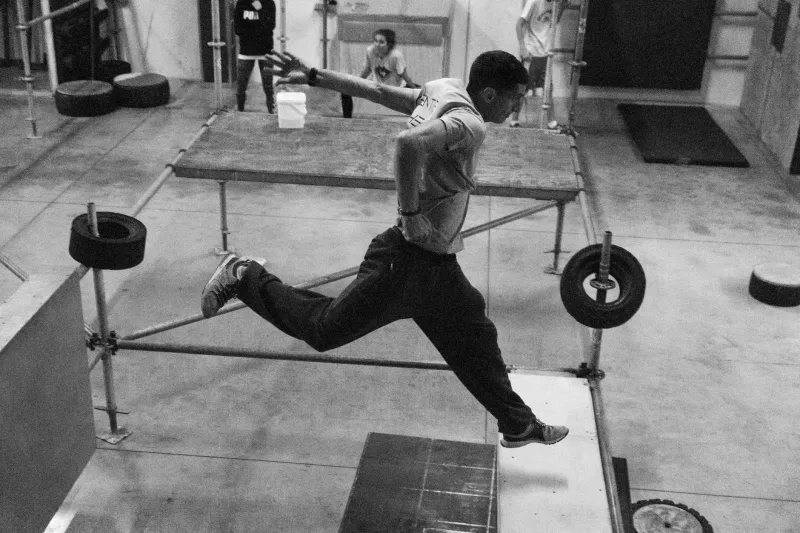
For a long time, parkour's social media economy ran on a simple formula: film the best ten seconds of a four-hour session, cut it clean, post it. Audiences ate it up. Athletes built followings in the hundreds of thousands on the strength of a single rooftop sequence or a gap jump that looked physically impossible. The mystique was the product.
Then livestreaming showed up and blew the whole thing open.
Over the past two years, a growing number of parkour athletes have taken their training sessions, travel days, and urban exploration runs directly to live audiences on Twitch, YouTube Live, and TikTok Live. The results have been... complicated. Viewers are watching their favorite athletes miss jumps, second-guess approaches, argue with training partners, and sit on a ledge for forty minutes working up the nerve to attempt something that would look effortless in a highlight clip. And the audience response has been genuinely unpredictable.
The Gap Nobody Wanted You to See
Here's the thing about elite parkour athletes: the gap between what they post and what they actually do on a given training day is enormous. That's not a knock — it's just the nature of the sport. Movement at that level requires hundreds of failed attempts, constant recalibration, and a lot of standing around staring at walls. None of that makes the cut in a sixty-second reel.
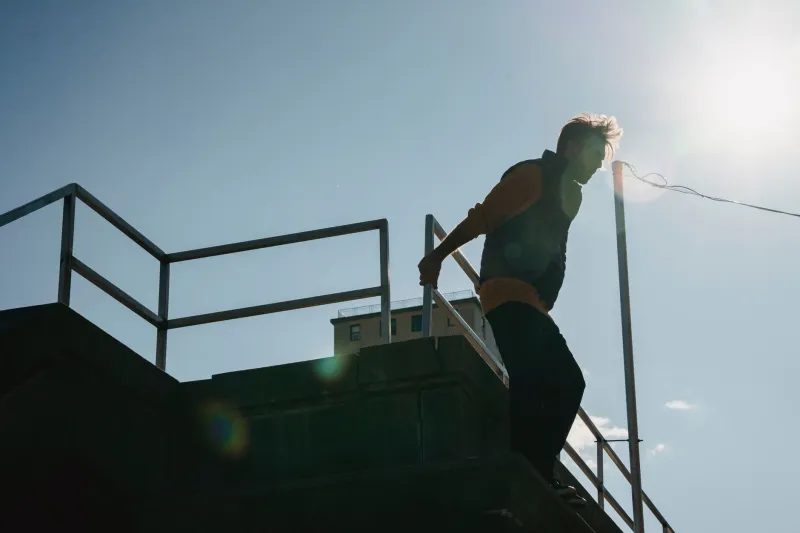
But on a livestream, all of it is visible. Every hesitation. Every bail. Every moment where an athlete who looks superhuman on Instagram sits down on a concrete ledge and says, "I'm not feeling this one today."
For some viewers, that transparency is a revelation. For others, it's actively damaging the athlete's brand in real time.
"I had a stream where I spent like an hour trying a precision jump I've done a hundred times, and I just couldn't commit," said one mid-level professional who asked to remain unnamed. "My comments were brutal. People were saying I was overrated, that my videos were all edited to look better than I actually am. And I'm sitting there thinking — yeah, that's literally how this works for everyone. But now they're seeing it and they don't know what to do with it."
Analytics Are Telling a Weird Story
What makes this even more interesting is that the viewership data doesn't always support the idea that failure hurts athletes. In many cases, it's doing the opposite.
Streams where athletes visibly struggle — where they miss a landing, brush themselves off, and try again — are generating longer average watch times than polished training montages. Audience retention on livestreams featuring genuine athletic difficulty frequently outperforms pre-recorded content on the same channels. People are staying. They're watching the struggle in real time because it's compelling in a way that a perfect landing simply isn't.
This tracks with what's been happening in other live sports and entertainment spaces. Audiences increasingly reward authenticity over production value. The imperfect, the unscripted, the visibly human — these are the things keeping viewers locked in. Parkour, it turns out, is not immune to this shift.
But there's a cost. The athlete who spends ninety minutes failing a jump on a livestream may gain loyal long-term followers while simultaneously losing sponsorship leverage. Brands in the action sports space still largely traffic in aspiration. They want athletes who look like they can do anything. A livestream that shows the opposite — even temporarily, even realistically — can complicate those conversations.
Authenticity as a Double-Edged Precision Jump
The parkour community itself is divided on what this all means. Older practitioners, many of whom came up in an era before social media existed at all, tend to view the livestream era with cautious optimism. The argument goes something like this: if people finally understand that parkour is a disciplined, long-term physical practice rather than a superpower, that's good for the culture. It might even bring in more serious athletes who are willing to put in the real work instead of chasing viral moments.
Younger athletes and content creators are less sure. Several F-Jump spoke with pointed out that the parkour economy — the one that pays for travel, equipment, and training time — runs almost entirely on perception. If livestreaming erodes the perception of effortless mastery, the financial consequences for athletes trying to make a living could be significant.
"There's a version of this where being real and showing your process builds a deeper audience," said one creator who runs a hybrid channel mixing long-form training content with occasional livestreams. "And there's a version where you spend six months grinding on live, people see you struggle, and then your next brand deal falls through because the rep watched your stream and thought you weren't consistent enough. Both of those things are happening right now."
The Audience Is Changing the Sport
What nobody fully anticipated was how live audiences would start actively influencing what athletes attempt during streams. Viewers donate, they make requests, they push athletes toward harder challenges in real time. This creates a dynamic that has no real precedent in traditional action sports — a live, financially incentivized feedback loop between performer and audience that can push athletes to attempt things they might not otherwise try.
That's exciting. It's also potentially dangerous. And it's raising questions about autonomy, risk management, and who ultimately controls the athlete's decision-making when thousands of people are watching and a donation goal is on the line.
Some athletes have responded by setting clear boundaries on what they will and won't attempt during streams. Others have leaned into the chaos entirely, treating audience-driven challenges as part of the entertainment format. Neither approach is obviously right or wrong — but both represent a fundamental shift in how parkour performance is structured and consumed.
Where This Lands
Livestreaming didn't break parkour's credibility. If anything, it's forcing a long-overdue conversation about what credibility in this sport actually means. Is it the ability to post a flawless clip on demand? Or is it the willingness to show up, struggle publicly, and keep moving anyway?
The athletes who figure out how to answer that question — and how to communicate that answer to both audiences and sponsors — are probably the ones who will define what professional parkour looks like in the next five years. The rest are going to keep sitting on ledges, staring at gaps, trying to decide whether to jump while the whole internet watches.
That's not a bad metaphor for the moment the sport is in right now.